Widgetized Section
Go to Admin » Appearance » Widgets » and move Gabfire Widget: Social into that MastheadOverlay zone
Jamaica’s Constitutional Reform: Pj Patterson, Barbados and the End of the British Monarch as the Head of State in the Commonwealth Nation
The views expressed are those of the author and do not necessarily reflect the views of ASPA as an organization.
By Andrew R. Vaz
October 6, 2025
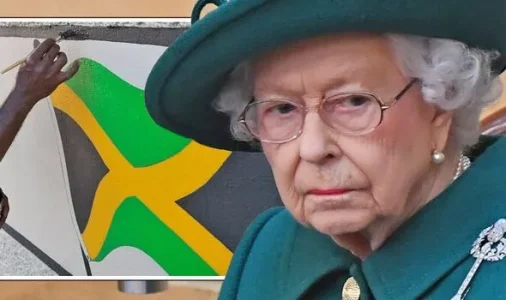
It was inevitable—the British Empire, its monarch and the broad English culture would face a challenge concerning its relevance to the many Commonwealth nations that were once colonies under the empire. It is the rise of Republicanism—a position that advocates for changing the system of government from a constitutional monarchy to a republic. In many of these nations, a movement is underway to secede from the British monarchy, effectively removing King Charles as the head of state. While I will refrain from calling the movement a reckoning, it is a movement that has garnered traction in the public policy arena. It seems these nations are beginning to move on.
Jamaica, one of these British Commonwealth countries, announced its breakup with the monarchy in 2022. Prime Minister Andrew Holness expressed his desire to remove the monarch as the head of state to the then-Duke and Duchess of Cambridge (now the Prince and Princess of Wales), William and Kate, during their visit to Jamaica. A committee was formed in 2023 despite a lack of public input and involvement. The report recommended a new system of government for Jamaica, proposing the removal of the monarch as Jamaica’s Head of State and from the legislative and executive authority of the state. This would establish Jamaica as a constitutional republic similar to the United States of America.
Former prime ministers, such as PJ Patterson, support the idea of Jamaica becoming a republic. However, Patterson is not quick to accept a ceremonial president as the Head of State, like Barbados. Analyzing this from a public policy perspective, I will determine that Jamaica’s best course forward is to become a constitutional republic with an executive presidency and remove the British monarch as the head of state.
The Fall of the Old Empire and the Rise of the New Republic
The continued symbolic presence of the British Crown in the constitutional makeup of the Jamaican state (and other Commonwealth Caribbean realm countries) has been repeatedly placed on reform agendas. In the six decades since the enactment of the Independence Constitution of Jamaica in 1962, there have been two noteworthy reform periods—the 1970s and the 1990s up to 2015. In the same year that Prime Minister Holness announced his intention to make Jamaica a constitutional republic, the monarch who witnessed the independence of Jamaica passed away. Queen Elizabeth II and her passing pushed public support in Jamaica for the removal of the British monarch as the head of state.
This will not be a simple task, however. The head of state cannot be changed just on public support alone. Removing the monarch as Jamaica’s head of state involves changes to deeply entrenched constitutional provisions and therefore requires a two-thirds majority of each House of Parliament plus a majority vote in a popular referendum.
The best example of a Commonwealth nation in the Caribbean removing the British monarch as the head of state is Barbados. This article will examine the island nation’s transition to a republic, marked by the removal of the British monarch as the head of state, and its impact on the country.
Case Study: Barbados
Barbados was, until November 2021, one of the Commonwealth realms of which the late Queen Elizabeth II was head of state. In 2021, Barbados abolished the monarchy and became a republic. Since then, a Constitution Reform Commission established by the government has been drafting a new republican constitution for Barbados to replace the 1966 Constitution. Despite its move to republic status, Barbados will remain a member of the Commonwealth. Most former UK colonies, including many republics, have chosen to stay within the Commonwealth.
A referendum on becoming a republic was planned in 2008 but never took place. In September 2020, the government of Barbados announced its intention to cease being a constitutional monarchy, therefore removing the Queen as its head of state. To the UK, Barbados was seen as a harbinger of a broader attempt by other former colonies to cut ties to the British monarch. It was the first nation of the 21st century to remove the British monarchy, the first of the Commonwealth since 1992.
For Barbados, becoming a republic is a significant transition that marks the capstone of a much longer process of symbolic decolonization. To some on the island, the move was seen as important. To others, the transition was purely symbolic. According to polls, just over a third of Barbadians supported a move to a republic, with another third largely neutral. Just 12 percent expressed a desire to remain a monarchy. Some of those in favor of the move have nevertheless noted a lack of popular participation in the process due to the promised referendum on the measure that was never held.
Barbados established a ceremonial president as the head of state in contrast to the prime minister, who will remain the head of government. This means that the president has limited authority. This does not necessarily make a nation-republic effective, as political power remains concentrated in the hands of the head of government and the legislature.
PJ Patterson and the Push for an Effective Republic of Jamaica
There has been one leader of Jamaica who has been quite vocal about republicanism in Jamaica, PJ Patterson. The former Jamaican prime minister has strongly opposed the idea of appointing a ceremonial president as part of the country’s ongoing constitutional reform. Patterson, who served as prime minister from 1992 to 2006, emphasized that Jamaica’s independence must be fully realized. He cautioned that simply replacing the governor general with a ceremonial president would be a superficial change rather than a true break from colonial-era structures.
“Jamaica needs a leader who is not merely symbolic but has constitutional authority reflective of the will of the people. If they try to impose a figurehead, I will be the first to march in the streets against it.” – The Right Honorable PJ Patterson
Many Jamaicans support the transition to a republic, but opinions differ on the type of presidency the country should adopt. Some contend that a ceremonial president, like the Barbados model, would facilitate a smooth transition, eliminating the British monarchy while preserving political stability. Patterson is among those who feel that an executive presidency with significant authority should be established in Jamaica. As executive presidents would be considered working heads of state, Patterson would suggest that this role would lead Jamaica effectively and provide a clear vision.
Conclusion
Under the current prime minister, Andrew Holness, the process is already underway to reorganize Jamaica into a republic. For the nation to realize its full independence, Jamaica must establish an executive President to serve as the Head of Government and State. Like the United States of America, Jamaica needs to chart its own path distant from the rule of the British monarch and its empire.
Author: Andrew R. Vaz, Ph.D. is a graduate of the Ph.D. in Public Policy and Ad-ministration program at Walden University, specializing in Public Man-agement and Leadership. He was already awarded a Master of Philoso-phy (MPhil) degree in the program. He is also a graduate of the Master of Science in Criminal Justice (MSCJ) and Master of Public Administration (MPA) double master’s program at Florida International University. He can be reached at [email protected].

 (8 votes, average: 4.00 out of 5)
 Loading...
Follow Us!


Attorney Diane Moore-Eubanks
January 2, 2026 at 12:31 pm
Reread your comment…Britain enslaved us Africans in Jamaica in the first place. How are you going to be grateful for them putting us in slavery? Your comment demonstrates his weak minded and brainwashed people can be
Michael Baxendale
November 29, 2025 at 1:20 pm
It’s very sad that Jamaica’s politicians seem to have lost sight of the benefits they gained from being part of the British Empire which included the abolition of slavery, democracy and justice.
To see what would likely have happened to Jamaica without Britain just consider – for example – Haiti.
Far better to keep the dignity of the Crown.
E J Folkes
October 11, 2025 at 10:59 am
Clearly well-researched and thought-out article, providing the reader with the historical background and with the example of what has occurred in a similar situation in Barbados. This article makes me want to do my own research to gain a better understanding of my home country’s political background, and to keep an eye on our current situation. Great job.
Dorothy Ennis
October 10, 2025 at 1:46 pm
A great article explaining the different ideas of being a republic. Well thought out and explained.
Marlyn (Annmarie) Thompson
October 10, 2025 at 1:41 pm
This is such an interesting, informative article. It opened my mind and gave me a better understanding about Jamaica becoming republic. I never paid much attention to it honestly, thanks for your this eye opener. I pray that the right decision will be made in the future of Jamaica going republic or not.
Thanks again for your time and effort with this information.
Carlton Vaz
October 9, 2025 at 10:11 pm
Nice article, hope the Prime Minister of Jamaica make a sensible transition.
Avis Vaz
October 9, 2025 at 9:51 pm
Jamaica’s decision to become a republic should be well thought out and should look at the long term ramifications of doing so. Other older republics and their problems should be deeply considered. Well researched article.
Eddie V., MPA
October 9, 2025 at 1:18 pm
This a great piece providing historical context and connections between the old and new world, as well as giving a glimpse of the future path Jamaica may take and the reasons why it may do so.