Widgetized Section
Go to Admin » Appearance » Widgets » and move Gabfire Widget: Social into that MastheadOverlay zone
Bedtime Stories for Public Servants: One Quiet “No”
The views expressed are those of the author and do not necessarily reflect the views of ASPA as an organization.
By S. Mohsen Fatemi
October 20, 2025
The desert air was sharp and dry enough to sting, yet inside the county chambers the air hung heavy, dense with breath, nerves and the faint hum of fluorescent lights. Rows of folding chairs sagged under farmers in dusty boots, teachers clutching lesson plans, retirees in windbreakers and young people in startup hoodies. They had come for a single vote, a vote that by night’s end could tie their small county to one of the largest public financing packages in American history.
On the dais sat five commissioners. One of them, a quiet, deliberate woman with tired eyes, kept turning the pages of a binder so thick it seemed alive, threatening to tip over. The papers had landed on her desk only days earlier: a last-minute dossier describing an industrial revenue bond request worth $165 billion, more than the entire state’s economy the previous year.
The proposal was breathtaking in scale: a sprawling technology campus built on desert sand, anchored by massive data centers and its own private power grid to keep them alive. Investors promised thousands of construction jobs, hundreds of millions in payments in lieu of taxes and community sweeteners—a new youth center, help with water infrastructure. They spoke of national competitiveness and a global race for digital capacity.
“This,” their polished spokesperson said, voice slick as oil, “is a once-in-a-generation opportunity. A delay is, effectively, a no.”
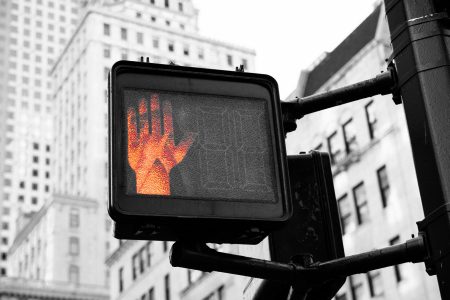
The commissioner asked for time. Once. Twice. A third plea. She wanted the public to study the details—water use in a drought-prone region, long-term energy costs, financial risk over thirty years. Each motion to pause died, unseconded. The majority seemed convinced: hesitate and the future would slip away.
When the vote came—four in favor, one against—the room cracked open.
Shouts rose instantly. Some people wept with joy; others with fury. A teacher slammed a notebook shut: How can we approve something bigger than the whole state’s economy with barely a week’s notice? A young tech worker countered: We’ll never get this chance again.
From the back, a chant began, low at first then swelling until it drowned the microphones: This is what democracy looks like.
Security moved in. Some commissioners slipped out a side door. The lone dissenter refused that exit, walking slowly down the main aisle as applause and jeers rained together.
Outside, under a sky vast and starlit, clusters formed: dreamers imagining tax windfalls and sleek new jobs; skeptics whispering about water in a thirsty desert, spiking electric bills and whether those salaries would ever materialize. A few stood silent, sensing the weight of a thirty-year knot their county had just tied.
Inside, the ordinance stood. There was still a legal window—thirty days to reverse course if the deal proved unacceptable. But everyone knew how rarely that window stayed open once money began to move.
A Pause with the Civic Sage
Later, when the crowd was gone, the lone commissioner lingered among the empty chairs, the binder still towering beside her. A figure, part mentor, part conscience, settled into the next seat.
Civic Sage: “Heavy night?”
Commissioner: “Heavier than I imagined. One vote against, four for. They said any delay would kill the deal. But how do you weigh a future no one’s had time to study?”
Civic Sage: “Urgency can be a tool—and a lever. Did you feel it?”
Commissioner: “Every word was about opportunity slipping away. Competitiveness. Jobs. Taxes. Asking for time felt like stealing hope.”
Civic Sage: “Hope matters. So does trust. You serve not only tomorrow’s jobs but today’s citizens. Fast decisions can build towers; slower ones build legitimacy.”
Commissioner: “But what if slowing down really meant losing everything?”
Civic Sage: “Sometimes that’s true. Sometimes it’s theater. Your job isn’t to kill deals—it’s to insist the stakes be seen clearly. Communities deserve to co-pilot, not just ride along.”
Commissioner: “So my ‘no’…?”
Civic Sage: “Was a call for breathing space. Even if the train still leaves, you’ve marked that speed should never erase scrutiny. Someday, others may wish they’d asked: Did we choose this future, or was it chosen for us?”
The sage rose, leaving her with the quiet hum of lights and the weight of the papers. Courage, she realized, sometimes looks like asking to pause when everyone else is rushing forward.
Loose Ends
This story reflects how communities make high-stakes choices when opportunity is framed as fleeting. Urgency can silence caution; hope can be used to hurry consent. Yet trust—the foundation of shared futures—is built through time: open debate, careful risk-weighing, space for people to understand what’s promised and what might be lost.
The lone commissioner’s refusal to rush is a quiet kind of bravery: a reminder that real progress is not only about seizing investment but about ensuring those who will live with the consequences can help choose the path ahead.
Author: S. Mohsen Fatemi is a PhD candidate in the School of Public Affairs & Administration at the University of Kansas where his research examines energy governance, policy and justice. He is the creator of Bedtime Stories for Public Servants. This narrative series blends storytelling, reflective dialogue and research-based insights to explore the ethical and emotional dilemmas faced in public service. He can be reached at [email protected]. His website is www.mohsenfatemi.com and his X/Twitter handle is @MohsenFatemiii.
 (1 votes, average: 5.00 out of 5)
 Loading...
Follow Us!