Widgetized Section
Go to Admin » Appearance » Widgets » and move Gabfire Widget: Social into that MastheadOverlay zone
Community Bar Rescue
The views expressed are those of the author and do not necessarily reflect the views of ASPA as an organization.
By Benjamin Deitchman
July 10, 2026
Urban Pie has mediocre food with slow and hostile service, yet it has been a defining institution in Atlanta’s Kirkwood neighborhood for almost two decades. In the spring of 2025, the television show Bar Rescue featured the restaurant in an episode where its experts attempted to improve the establishment while helping an owner nearly half a million dollars in debt keep the restaurant afloat. While nearby residents have continued to support the local pizza place, it is surprising that a struggling private business has remained open.
In a twist, only weeks after Jolene Jolene, Atlanta’s first women’s sports bar, announced its permanent location down the street in Kirkwood, Urban Pie rebranded itself as a women’s sports bar. The situation highlights a broader question about how businesses become meaningful community institutions and how public and private entities can work together to support local culture and connection.
Jolene Jolene developed its concept and customer base through pop-up programs, social media and other forms of engagement for two years before opening its permanent location in June 2026. At a time when food prices have increased, alcohol sales have declined, delivery applications are outpacing on-site dining and many people are choosing streaming over collective viewing experiences, Jolene Jolene identified a niche within the growing market of women’s sports fandom.
Rather than simply opening its doors and attracting customers, Jolene Jolene intentionally built its business around community engagement. While the restaurant must ultimately sell food and beverages to succeed, the private sector should recognize its broader role in facilitating culture, connection and enrichment in modern society.
Social isolation and declining human connection are significant concerns for public policy and public administration leaders. Government and nonprofit organizations have tools to help facilitate interaction and strengthen communities. For many cities across North America and around the world, the 2026 men’s World Cup has created opportunities to develop fan festivals and watch parties in public spaces. The summer weather and the unique nature of a global tournament hosted in the United States, Mexico and Canada have supported these gatherings, but they remain temporary programs.
Businesses such as Jolene Jolene, Urban Pie and other community gathering spaces can help sustain this momentum and address the growing need for connection in an increasingly disconnected society.
City, county and town governments provide outdoor playgrounds and recreation spaces that encourage socialization among children and families, but private companies often host indoor gathering spaces. Fast-food restaurants, for example, frequently provide indoor play areas that serve a secondary community function beyond their primary business purpose. While these companies depend on sales to remain successful, communities also benefit from the additional social value these spaces provide.
Supporting these functions presents an opportunity for community leaders to partner with businesses in mutually beneficial ways.
The host of Bar Rescue, John Taffer, recognized that although Urban Pie was poorly managed, it remained an important part of its local environment. When the show visits struggling bars and restaurants, Taffer and his team emphasize that while profitability is essential, owners must also serve and connect with the people in their communities.
Despite its shortcomings, residents of Kirkwood, including myself, have continued to support Urban Pie because of its connection to the neighborhood’s identity and culture. When Jolene Jolene announced its innovative concept that would further contribute to the community, Urban Pie’s decision to adopt a similar identity generated significant local criticism and broader media attention.
While both businesses may ultimately succeed, relying solely on private enterprises to provide community spaces presents challenges because businesses remain subject to economic pressures.
The public, private and nonprofit sectors are essential partners in strengthening our modern sense of community. Businesses that effectively facilitate interaction can thrive when they provide services worthy of public support. For public policy and public administration professionals, helping create an economic environment that rewards community-centered approaches can serve the public interest.
Restaurants and bars must provide quality food, beverages and service, responsibilities that belong to the business and the market rather than government. Through partnerships or incentives, however, entrepreneurial governments can help connect communities and support stronger local institutions.
While some businesses can and should fail, communities benefit when restaurants and gathering spaces continue to grow. These establishments serve purposes beyond food and drink. They remain essential institutions that contribute to civic life.
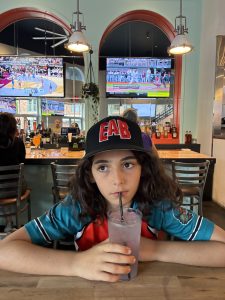
Author: Benjamin Deitchman is a public policy practitioner in Atlanta, Georgia. His most recent book, The Public Policy Perspective: A Personal Analysis of Public Work, is available through Routledge and other booksellers. He can be reached via email at deitchmanb at gmail dot com or on LinkedIn. The included image is from Jolene Jolene in Kirkwood.
 (2 votes, average: 5.00 out of 5)
 Loading...
Follow Us!