Widgetized Section
Go to Admin » Appearance » Widgets » and move Gabfire Widget: Social into that MastheadOverlay zone
Acoustic Public Administration
The views expressed are those of the author and do not necessarily reflect the views of ASPA as an organization.
By Benjamin Deitchman
November 14, 2025
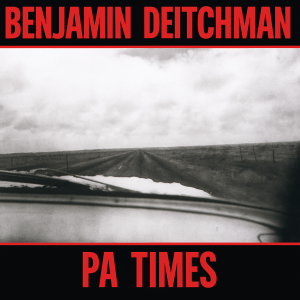
“I’m trying to find something real in all the noise,” says Bruce Springsteen, as portrayed by Jeremy Allen White in the new film Springsteen: Deliver Me from Nowhere. In our deeply interconnected, fast-paced, technology-driven world, finding reality amidst the chaos is also a necessity for those of us in public policy and public administration. In the movie, based on real events in the 1980s, the musician known as The Boss retreats to rural New Jersey and records his acclaimed album Nebraska with limited studio technology. Those of us who work in and around the public and non-profit sectors could also benefit from unplugging and occasionally practicing in a more acoustic format.
As a Millennial I have never known a pre-Internet, pre-email office reality for myself. Instant text and document-based communication is fundamental to effective and efficient operations in the modern workplace, whether internally or engaging with stakeholders. While there remain experienced employees who may remember the phone call and paper-based past, it is worth considering what work today would entail with only historic technologies. The pace of business would certainly change, but there are lessons to consider from a hypothetically slower and more personal direct approach to action.
Within an agency, organization or other workplace, instead of the trope of asking whether a meeting could have been an email, we ought to consider what workplace interactions might look like if email were not an option. That might require more one-on-one or group meetings and calls, but perhaps the barriers to communication might lead to fewer time-wasting emails that were unnecessary to advance work outcomes. If printing or postage were necessary for text messaging then our physical inboxes would be less full than on our smartphones today. Simply put, more communication is not always optimal.
This ceaseless stream of information and requests also leads to a glut of requests from external sources. When I was a public school student someone needed to pick up the telephone or conference face-to-face for my parents and teachers to have direct contact. Parent-teacher interaction is necessary at times, but when the availability is so seamless as it is today it could become problematic. As a public school parent, I now have concerns that the time and attention to that facet of educational interaction could even slightly diminish the far more important relationship between students and teachers. Of course, this also relates to the importance of limiting distractions to students themselves through the smartphone limitations that are gaining acceptance and popularity across society. Whether it is in school or another institution, everyone needs space to maintain attention and thrive within their essential roles.
A challenge for all of us professionally and personally is finding connection with our fellow human beings in the modern world. Loneliness epidemics permeate the contemporary discourse and many leading scholars and practitioners of public policy and public administration are searching for solutions to help us engage beyond the screens. The benefits of remote work are immense, but simultaneously building acoustic settings where professionals can interact with colleagues could not only facilitate good business and governance but also restore opportunities to make friends in dealing with the everyday challenges of careers.
Isolation and the bombardment of news are not just policy issues but can impact our own competence and mental health. The more we can filter the noise and find focus, the more we can be happier and more successful in our endeavors. While we probably cannot read the full content of every book, policy paper or PATimes online article, there is value in occasionally taking a deep dive into a particular document. If I may include a shameless plug here for those looking for a short book about public policy and public administration to consider: my recent publication, The Public Policy Perspective: A Personal Analysis of Public Work, is available directly from Routledge or your favorite major online retailer. It is not a waste of time to deeply read something not just to check it off the list, but to evaluate and reflect on the matter directly or even tangentially to something else on your docket.
The intention of considering acoustic public administration is not a treatise in support of a luddite approach to governance. As The Boss sang on the “Atlantic City” track of Nebraska, “Well, now everything dies, baby, that’s a fact, Maybe everything that dies someday comes back.” Even as technology advances in a possible artificial intelligence revolution, the time-honored skills of classical public policy and public administration should remain relevant today and into the future. While there are many reasons for pessimism, we can remember Bruce Springsteen’s words from 1982 on Nebraska, “Still at the end of every hard-earned day people find some reason to believe.”
Author: Benjamin Deitchman is a public policy practitioner in Atlanta, Georgia. If you cannot reach Dr. Deitchman through acoustic communication methods, he is available via email at [email protected].
 (5 votes, average: 5.00 out of 5)
 Loading...
Follow Us!