Widgetized Section
Go to Admin » Appearance » Widgets » and move Gabfire Widget: Social into that MastheadOverlay zone
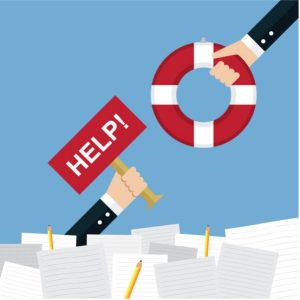
Help Me Get My Feet Back on the Ground
The views expressed are those of the author and do not necessarily reflect the views of ASPA as an organization.
By Anna Marie Schuh
March 20, 2026
These days, it seems like everyone is on edge, particularly regarding anything related to government. An edgy citizen makes the work of public employees more difficult. Recognizing the context of the situation and applying de-escalation techniques can help public service proceed more effectively.
The current United States environment contains numerous stressors. Some are immediate like rising grocery and fuel costs; others are persistent such as concern for children’s safety after a school shooting or a child serving in the military. Over time, these stressors build up, resulting in chronic stress called emotional dysregulation, which can manifest as persistent irritability, frustration over small inconveniences and aggressiveness.
Public employees who deal with citizens experiencing emotional dysregulation often face the same stressors yet they must manage their own reactions to provide needed service. When a citizen is upset, even minor delays—such as a late tax refund or Social Security check—can trigger aggression toward the public servant. It is natural for both parties to react defensively but in public service, managing these reactions is essential.
One way for public servants to cope is to become aware of how stress affects them in the workplace. Those with public contact work are particularly susceptible to potential altercations and need this awareness to avoid behaviors that escalate conflict. When verbally attacked, employees should notice their biological reactions—clenched fists, shallow breathing and accelerated heartbeat—and use techniques to calm themselves such as deep breathing and focusing on the interaction’s subject matter rather than the aggression. Concentrating on service provision helps create an environment where citizens feel respected and are more likely to accept essential information.
Once service providers have managed their own stress, they can apply de-escalation techniques. These include creating a supportive environment through empathy: listening without judgment, acknowledging feelings without arguing and maintaining non-threatening body language. Providing accurate information while allowing the citizen to reach their own conclusions also helps calm the situation. Challenging questions can often be ignored if they escalate tension while firm but kind boundaries—like requesting quiet conversation—help maintain control. Offering choices and time can reduce anxiety, help citizens feel empowered and allow thoughtful decision-making. Safety remains the highest priority and sometimes walking away and allowing another staff member to intervene is the best option.
Public servants want to solve citizen problems but citizens receive the most help when employees manage their own stress. The angry citizen is often calling out for help—they want to get their feet back on the ground. Service providers who recognize this and moderate their behavior can deliver assistance effectively and positively, creating immense value for both individuals and the common good.
As the Beatles sang:
“Help me if you can, I’m feeling down
And I do appreciate your being ’round
Help me get my feet back on the ground
Won’t you please, please, help me?”
Author: Anna Marie Schuh is Associate Professor Emerita at Roosevelt University, Chicago, where she served as Program Director for the MPA and taught political science and public administration for 23 years. She also retired from federal service after 36 years, most recently overseeing national programs at the Office of Personnel Management. Contact: [email protected]; BlueSky: profschuh.bsky.social.
 (1 votes, average: 5.00 out of 5)
 Loading...
Follow Us!