Widgetized Section
Go to Admin » Appearance » Widgets » and move Gabfire Widget: Social into that MastheadOverlay zone
Public Narratives: The Government Shutdown
The views expressed are those of the author and do not necessarily reflect the views of ASPA as an organization.
By Carvis Durr
October 17, 2025
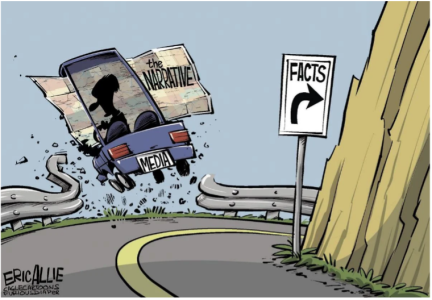
We often overlook how we gather and interpret information in today’s fast-paced society. One of the main culprits behind this oversight is confirmation bias, our subconscious tendency to seek information that aligns with our existing beliefs rather than striving for an objective understanding of the truth. This phenomenon has become even more pronounced in recent years as storytelling and public narratives have gained traction across various sectors, from politics to media. These narratives shape individuals’ and communities’ perspectives, heavily influencing public opinion. When can the public share their unique stories and present their perspectives? Considering the voices often unheard is vital, as each narrative brings a rich tapestry of experiences and insights.
Take the ongoing government shutdown, for example. As we hit Day 13, we are not just witnessing a standoff; we are observing a clash of narratives highlighting the sharp divisions between political parties. Each side points fingers quickly, creating a polarized atmosphere where clear communication can easily become muddled. This situation dramatically illustrates how narratives can be manipulated for political gain, making it challenging to discern the underlying truths amid the chaos of conflicting stories. Therefore, the only group that suffers is those affected by the decisions.
As the shutdown stretches into its third week, the stakes have never been higher. The legislative landscape feels tense as Republicans engage in fierce infighting, blaming one another for the crisis that began on October 1. The Vice President has even accused Democrats of employing “hostage-taking” tactics, a powerful metaphor that captures the high emotions surrounding this political quagmire. This impasse raises critical questions about the impact on federal services and the broader economy, affecting millions who rely on government functions. Meanwhile, many Republican supporters are left believing their leaders are doing their job while casting blame on the opposition for the stalemate.
Looking ahead, the Senate is set to reconvene on Tuesday, gearing up to vote on a crucial funding measure that has continually stumbled in its journey, failing to secure the necessary 60 votes on multiple occasions. Senate Republicans are navigating a maze of strategies searching for bipartisan support from their Democratic colleagues, yet their efforts have been met with resistance. Democrats have clarified that they will not agree to any deal to reopen the government unless health insurance tax credits are also part of the package. This deadlock highlights the ongoing budgetary conflict as both parties grapple with the terms of government funding and necessary healthcare provisions.
Amid this turmoil, how can the public accurately interpret what is happening?
On October 10, the President’s administration revealed the grim reality of layoffs affecting thousands of federal employees, throwing their families into uncertainty. The very next day, in a bold move, the President instructed the Defense Secretary to “utilize all available funds to ensure our troops are compensated.” This decisive action underscores a commitment to support military personnel, who will receive their paychecks on October 15 despite the shutdown’s chaos.
However, the landscape for other federal workers is starkly different, as they face the challenge of continuing without wages until this crisis is resolved. This financial strain creates a precarious situation for many families reliant on regular paychecks to meet their daily needs. As the shutdown’s complexities unfold, countless individuals grapple with an uncertain future.
Individuals impacted by the shutdown must step forward and share their stories. These personal narratives can powerfully illustrate how the government shutdown disrupts their ability to care for their families and support their loved ones. By presenting the shutdown from diverse perspectives, we can paint a fuller picture of everyday Americans’ multifaceted challenges—financial instability, uncertainty about employment and the emotional toll of diminished access to vital services. Highlighting these voices not only fosters a deeper understanding of the real-life consequences of the shutdown but also advocates for the essential changes needed to support those most affected.
Our society benefits significantly from this initiative, as it promotes understanding and empathy among diverse groups. We should actively encourage individuals with varied experiences to share their stories through storytelling. This practice deepens our collective understanding and strengthens community bonds irrespective of differing political beliefs or affiliations. By embracing diverse perspectives, we can learn from one another and foster a more inclusive environment for dialogue and connection.
Author: Meet Carvis C. Durr, PhD, an inspiring Adjunct Professor at the University of Central Florida’s School of Sociology and Statistics. With a bachelor’s degree in Public Administration/Public Affairs and two master’s degrees in Business Administration and Leadership/Human Resource Development, Carvis exemplifies dedication and excellence. As a Certified Nonprofit Professional, he passionately founded ‘2EASY ELITE SPORTS INC.’, a nonprofit based in Winter Park, Florida dedicated to making a difference in youth through sports and nutrition. A proud member of the Scholar Strategy Network, Carvis is committed to empowering others and shaping a brighter future. Follow Carvis on X (@Iamcarvis) or visit his LinkedIn profile to be inspired by his journey and vision. https://www.linkedin.com/in/carvisdurr/
 (1 votes, average: 5.00 out of 5)
 Loading...
Follow Us!