Widgetized Section
Go to Admin » Appearance » Widgets » and move Gabfire Widget: Social into that MastheadOverlay zone
The ‘Foundational Skills’ Gap: A Case for Increasing Focus and Resources in Emergency Management and Homeland Security Training and Education
The views expressed are those of the author and do not necessarily reflect the views of ASPA as an organization.
By Adam C. Sutkus
April 17, 2026
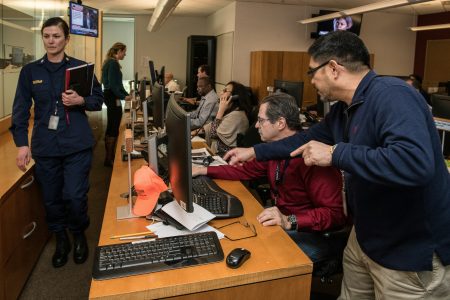
The devastating impacts of large-scale, increasingly complex and frequently overlapping emergencies have made emergency management (EM) and homeland security (HS) practitioners keenly aware of the need to prepare for disasters of every kind. Since the September 11 attacks—and more recently the COVID-19 pandemic—public safety organizations have struggled to develop coordination methods capable of addressing a rapidly evolving landscape.
Today’s environment is challenging: frequent policy and organizational changes, shifting federal funding streams, the need to follow a comprehensive national architecture for EM and engagement with the public and interdisciplinary stakeholders in a coordinated manner. Emerging technologies such as artificial intelligence and the rapid spread of information through social media add yet another layer of complexity.
To meet these demands, many personnel are being pushed outside their traditional comfort zones and are expected to apply unfamiliar skills. These include collaborative problem-solving, stakeholder engagement, negotiation, conflict resolution and strategic thinking. Yet many public safety professionals have received limited formal training in these areas.
Equally important are practical skills needed for day-to-day effectiveness: facilitating meetings, managing organizational dynamics, communicating clearly and overseeing projects. Although public safety personnel are well trained in tactical and technical aspects of their roles, these foundational professional skills are often overlooked.
Based on my experience as both a practitioner and an instructor, three general categories of foundational skills deserve greater attention in training and professional development for public safety personnel.
1. Internal Organizational Skills
These skills help professionals operate effectively within their own organizations and collaborative teams.
Key capabilities include:
- Facilitation and group dynamics
- Team building and consensus building
- Conflict management and dispute resolution
- Networking and interpersonal communication
- Strategic planning and organizational change
- Clear and effective writing
- Leadership, mentoring and problem solving
- Interest-based negotiation
Stressful environments—whether during emergency response operations or in planning discussions—can create tension and disagreement. Practitioners must understand how to move conversations toward shared interests rather than entrenched positions. Strong written and verbal communication skills are also essential for documenting decisions and maintaining clarity during complex operations.
2. External-Facing Skills
Public safety professionals must also interact effectively with the public, stakeholders and the media.
Important capabilities include:
- Public speaking
- Civic engagement and public communication
- Stakeholder mapping and coordination
- Social media awareness
- Public messaging and media relations
- Cultural competence and engagement with diverse or underrepresented communities, including those with access and functional needs
Rapid communication through social media—and increasingly through artificial intelligence tools—means misinformation can spread quickly during emergencies. Professionals must be able to communicate clearly, engage diverse audiences and build trust with community partners. Effective engagement with stakeholder groups during planning or preparedness initiatives may require months of structured dialogue and facilitation.
3. Project and Program Management Skills
Large planning initiatives and multi-agency efforts require structured project management practices.
Essential skills include:
- Developing project charters and defining processes for long-term initiatives
- Understanding budgets and personnel resources
- Designing effective meetings and workshops
- Facilitating meetings and collaborative processes
- Coordinating multi-party projects involving numerous agencies and partners
For example, a planning initiative should begin with a program charter outlining the timeline, membership, decision-making criteria, ground rules and resource commitments. Clear process design—including stakeholder participation and deliberation procedures—helps keep complex initiatives on track.
Even basic meeting management plays an important role. Effective meetings require clear agendas, defined objectives, agreed-upon ground rules and documented outcomes to guide follow-up actions.
Strengthening Training and Education
Universities and training programs are beginning to place greater emphasis on these skills. At the University at Albany, for example, the College of Emergency Preparedness, Homeland Security and Cybersecurity offers coursework focused on governance, stakeholder engagement and collaboration.
Practitioner-academics are also advancing this work through professional training and applied research. Programs such as those offered by the Federal Emergency Management Agency provide accessible starting points. FEMA’s free Independent Study courses allow practitioners to begin strengthening many of these capabilities.
Once considered optional, these foundational skills are increasingly essential for navigating the complexity of today’s EM and HS environment. Public safety professionals must not only manage emergencies but also coordinate across organizations, engage stakeholders and communicate effectively with communities.
Strengthening these competencies through education, training and professional development will help the field respond more effectively to the complex challenges that lie ahead.
Author: Adam C. Sutkus is an Adjunct Lecturer in the College of Emergency Preparedness, Homeland Security, and Cybersecurity at the State University of New York at Albany and is a Trainer with FEMA’s National Disaster Emergency Management University. He retired from the California Governor’s Office of Emergency Services in 2020 and is the former Executive Director of the Center for Collaborative Policy at California State University, Sacramento. He can be reached at www.linkedin.com/in/adam-sutkus-91032b6and [email protected]
 (3 votes, average: 5.00 out of 5)
 Loading...
Follow Us!


Frannie Edwards
April 17, 2026 at 8:47 pm
Adam outlines some major areas needing more emphasis in emergency management and homeland security training and education. Public administration curricula offer many of these skills, and should be incorporated into any EM/HS training and education programs. Note also that “public safety” background is not a prerequisite for EM/HS careers. Public administrators, urban planners and GIS professionals bring critical skills to the EOC, including to its leadership.