Widgetized Section
Go to Admin » Appearance » Widgets » and move Gabfire Widget: Social into that MastheadOverlay zone
Working With Informal Networks
The views expressed are those of the author and do not necessarily reflect the views of ASPA as an organization.
By Renée Cardarelle
March 6, 2026
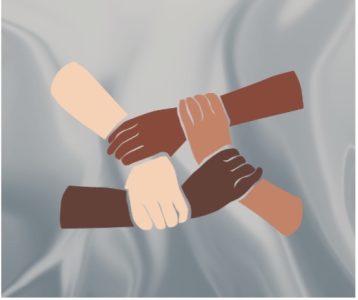
Here is a little secret. Members of the public are sometimes able to accomplish things that public administrators cannot. This reality helps explain why many agencies hire community navigators. These individuals bring lived experience and knowledge of community needs and culture that administrators often lack. Just as importantly, individuals who are not in official roles have greater freedom to act. They are not bound by the bureaucratic red tape that can limit public administrators.
Recent events in Minnesota illustrate this dynamic. For two months, the state experienced rapid change as an unprecedented federal immigration detention and deportation effort, Operation Metro Surge, deployed 3,000 federal agents to detain and deport immigrants. Public administrators across the state faced conflicting messages and uncertainty about how to respond. Many encountered rising public concern while also navigating complex relationships with federal partners. In several cases, administrators were constrained in how directly they could act.
Members of the community did not face the same restrictions. Almost overnight, hundreds of informal mutual aid groups emerged in both metro areas and rural communities across the state. These networks sought to fill gaps left by sudden shifts in governing systems and to support individuals experiencing unexpected crises.
For example, when Joe, the primary wage earner for his family, was detained, Mary lacked the funds to feed her family or pay rent and other essential bills. Existing systems did not offer immediate solutions. Community-based mutual aid groups stepped in. They provided culturally appropriate food, helped Joe retain legal counsel and covered one month of rent while he worked through the legal system. Ultimately, the courts deemed Joe’s detention illegal because his immigration documents were in order, and he returned home to his family, who remained housed and stable during the crisis.
Mutual aid networks and other community-led initiatives can supplement government services in meaningful ways. Their structures are nimble, allowing them to move quickly in rapidly changing conditions. They are often staffed by volunteers who serve without compensation. As a result, these grassroots efforts can meet short-term needs effectively and at minimal cost.
For public administrators, connection to these networks offers practical benefits. Being engaged with grassroots groups provides insight into emerging needs and community dynamics. In some cases, administrators may also help shape or guide action simply by participating in ongoing conversations.
Working effectively with informal networks, however, may require administrators to reconsider how they view the public. In earlier eras, administrators were cautioned against working directly with the public and were encouraged to take direction primarily from elected officials. Later, public administrators were encouraged to view the public as clients or consumers and to seek feedback to improve services. Informal mutual aid groups require a different approach. This model views the public as partners and active agents in planning and decision-making.
There is evidence that this partnership model can succeed when implemented thoughtfully, such as in participatory budgeting initiatives. Yet it can encounter resistance. Some officials worry about disproportionate participation or unintended consequences. Regulations and procedures can create barriers between administrators and the public. Limited time and resources can also push interactions toward transactional exchanges rather than sustained collaboration.
The public is not always eager to assume an active governing role. Many prefer to remain recipients of services. Community members may also have unrealistic expectations about what public systems can accomplish and may grow impatient with processes that appear slow or ineffective. Others may lack the knowledge required to navigate complex governing systems.
For these reasons, working with informal networks is not simple. It requires careful navigation, trust and clarity of roles. Yet the potential rewards are significant. When informal networks are present and engaged constructively, communities can be better served, public resources can stretch further, individuals can feel empowered and involved and democratic institutions can be strengthened.
Author: Renée Cardarelle has a PhD in Management and Public Service from Hamline University with a focus on public participation in the governing process. In addition to her work in academia, Renée has also worked in the nonprofit sector and in grassroots organizing for more than twenty-five years.
 (1 votes, average: 5.00 out of 5)
 Loading...
Follow Us!